Protein Baking: Adding Grams Without Baking Bricks
Protein baking’s reputation — dry, dense, faintly sad — comes from treating protein powder like flour, which it isn’t. The science guide: what powder does in batter, the swap ratios that keep moisture and the recipes engineered for the addition.

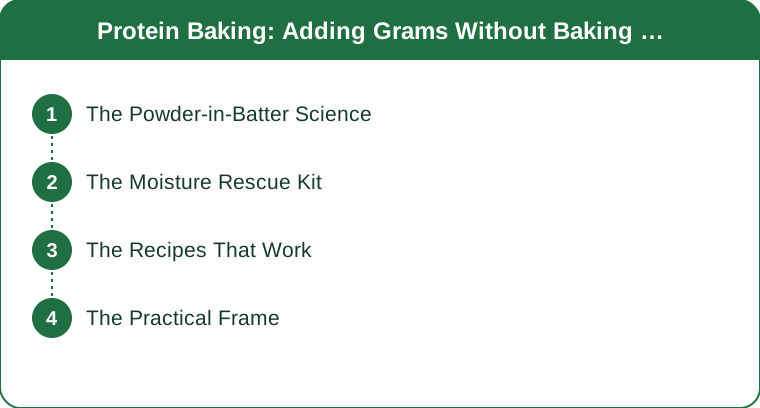
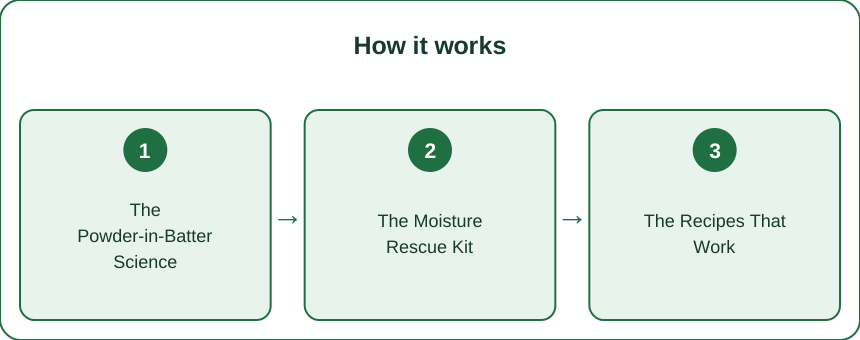
The Powder-in-Batter Science
Why protein bakes turn to bricks: the moisture theft (protein powders absorb liquid aggressively — the batter that looked right bakes dry; whey especially tightens as it heats, the rubber-muffin mechanism), the structure interference (powder displaces flour’s starch-and-gluten work without replacing it — the crumbly-dense paradox of over-swapped bakes), the whey-versus-casein-versus-plant behavior (whey bakes rubbery past small doses; casein bakes softer and thirstier; plant blends land between and vary — the powder in the recipe matters as much as the amount), and the golden rule (protein powder replaces at most one-quarter to one-third of the flour — the swap ceiling that separates enriched bakes from protein bricks).
The Moisture Rescue Kit
The counterweights that keep bakes soft: the wet-ingredient boost (the extra egg, the yogurt or cottage-cheese addition, the mashed banana or applesauce tier — every powder swap wants a moisture escort; the Greek-yogurt muffin base is protein baking’s best friend twice over), the fat honesty (protein bakes need their fat — the fat-free protein bake is the brick recipe; the nut-butter and oil staying in the formula), the bake-time reduction (protein bakes finish faster and punish overbaking doubly — the toothpick check early, the pull-at-barely-done discipline; carryover finishes them), and the rest note (protein bakes soften overnight — the day-two muffin beats the day-one; the batch logic that suits meal-prep anyway).

The Recipes That Work
The engineered-for-protein tier: the muffin platform (the yogurt-based muffin with the quarter-swap and a moisture escort — the format most forgiving of protein’s quirks; the meal-prep breakfast tier at 10-12g each), the pancake success story (protein pancakes work because the format is thin and wet — the banana-egg-powder classics and the cottage-cheese blends from the glucose-breakfast chapter; the highest success-rate entry point), the no-bake ally (the protein-bar-lab and energy-ball tier — no oven means no moisture theft; the no-bake formats carry the highest protein loads happily), the brownie honesty (the fudgy formats hide protein best — the dense-and-moist target aligning with powder’s tendencies; the black-bean and yogurt brownie bases), and the bread caution (yeasted protein baking is the advanced course — the quick-bread and muffin formats first).
The Practical Frame
Protein baking in the week: the purpose honesty (the protein bake upgrades a treat — the muffin at 11g beats the muffin at 3g; it doesn’t replace the protein anchors of actual meals; the enriched-treat framing that keeps expectations right), the flavor pairing (chocolate and vanilla powders steer recipes — the powder IS a flavoring; the unflavored tier for the savory experiments), the cost note (powder is premium flour — the protein bake costs more per batch and less than the store-bought protein-snack equivalent; the bar-lab economics in oven form), and the batch integration (the Sunday muffin batch joining the meal-prep rotation — the freezer-friendly formats that make the protein breakfast grab-and-go). Quarter-swap, moisture escort, pull early: grams added, bricks avoided.
Swap a quarter of the flour at most, escort with yogurt or banana, bake shorter, no-bake carries the most. Protein baking is moisture management — respect the powder’s thirst and the treats stay treats.
Keep Reading
This article is for general informational purposes only and is not medical advice. Always consult a qualified health professional for guidance specific to you.